Storification journal
Brand storyBrand storytelling: the complete guide (with examples)
What brand storytelling is, how it differs from storytelling in marketing, real examples from Patagonia to Xero, and how to measure if your story works.
Most brand storytelling advice tells you to make your customer the hero. Which is mostly right. Consumer centric thinking has been our default for the last half a century,
The brands whose stories travel go one step further. They don't just cast the customer as the hero of the brand's story. They hand the customer the camera. Their customers end up telling the story for them, to people the brand could never have reached. It's why social media is the dominant form of marketing in the modern era... for the first time in history, every customer has a camera.
The question is, are they being invited to use it in unique and compelling ways? Are they being invited into a shared narrative experience?
I learned that making documentaries around the world in more than 20 countries. I've also made testimonials, customer films and social media campaigns for companies like Uber, PayPal, Xero, TalentLMS, Nivea and plenty more. This guide covers what brand storytelling is, how it works, and how to tell whether yours is working.
Brand storytelling is the practice of building a brand around a true, specific story (why it exists, what it believes, and how customers become part of it) rather than around products and features. Done well, customers retell the story for you.
What is brand storytelling?
Brand storytelling means communicating who you are through a story people can follow, rather than a set of claims they have to believe. Its raw material is real: your origin, the people behind the business, your customers and what changes for them.
A brand story isn't a single advert or an About page. It's the thread that runs through everything a brand does: the homepage, the packaging, the sales call, the way the founder answers a question on a podcast. When it's working, every one of those moments feels like a chapter of the same book.
Brand storytelling vs storytelling in marketing: what's the difference?
Storytelling in marketing is a technique: using a story to make one campaign, ad or email more engaging. Brand storytelling is a strategy: the one underlying story that every campaign, ad and email should serve.
You can run a clever storytelling campaign with no brand story underneath it. It might even work, once. But the next campaign starts from zero. With a brand story in place, each campaign builds on the last, and people start to recognise you before they see your logo.
What makes a brand story travel?
After years of watching which stories spread and which sink, I think the ones that travel share five qualities:
- They're specific. A real person, a real place, a real moment. "We're passionate about quality" has never been retold by anyone.
- They have a turning point. Something changed. A history is a timeline; a story has a moment where things could have gone either way.
- They stand for something. A belief that some people will disagree with. Agreement from everyone means commitment from no one.
- They leave a door open. There's a clear way for the listener to step in and become part of it.
- They're about the listener, too. People share stories that say something about who they are.
Those five qualities map directly onto the Storification framework: Origin, Worldview, Invitation, Participation and Amplification.
The five steps of a brand story
| Step | What it is | The brand story question |
|---|---|---|
| Origin | The problem you couldn't stop noticing | Why do we exist? |
| Worldview | The belief underneath everything you do | What do we believe that others don't? |
| Invitation | The first step for people who share that belief | How does someone join us? |
| Participation | Customers becoming characters in the story | Where do our customers tell their part? |
| Amplification | The story travelling under its own power | Why would anyone pass this on? |
The order matters. A brand with a strong Worldview but no Invitation gets admired and ignored. And no ad budget can amplify a story nobody has joined.
Brand storytelling examples
Patagonia: a Worldview strong enough to say "don't buy"
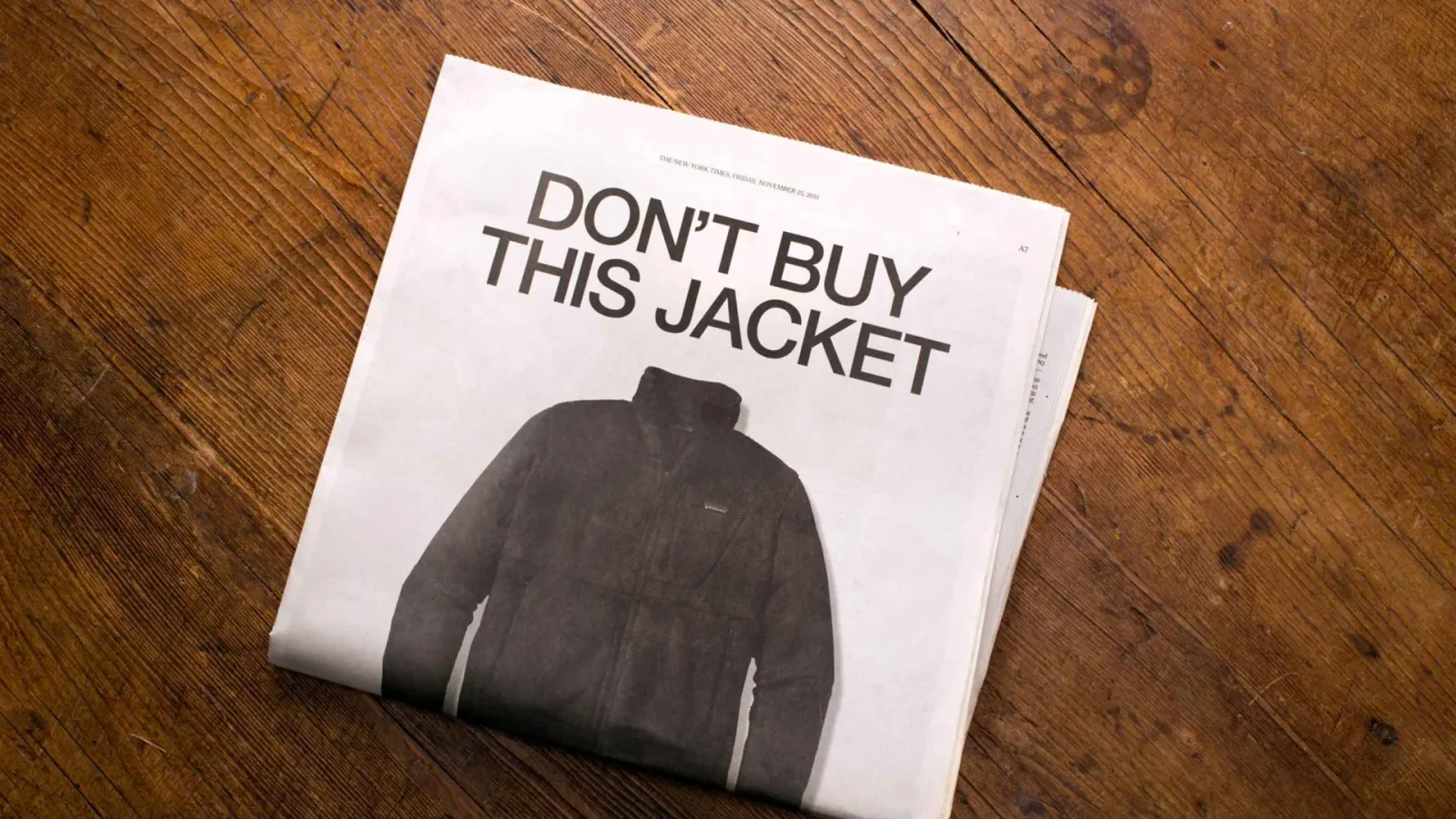
Patagonia doesn't really sell jackets. It sells a view of how we should treat the planet, and the jackets come along for the ride. On Black Friday 2011 it ran a full-page ad in The New York Times headed "Don't Buy This Jacket", asking people to think before they consumed.
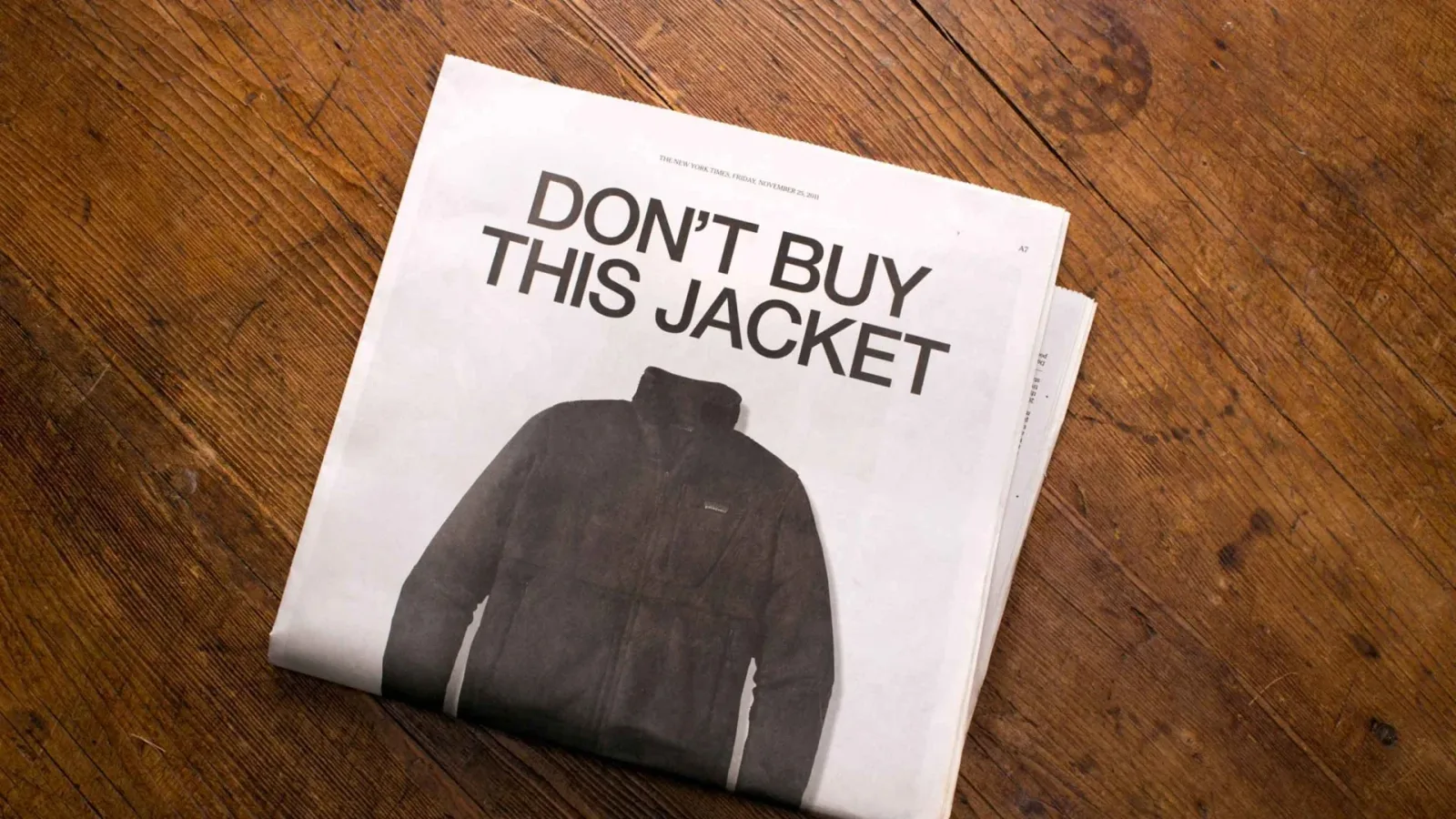
Only a brand with a deeply held Worldview can tell people not to buy and come out stronger. The lesson isn't to copy the idea. It's that the idea only made sense because the belief came first... and generated a flood of storytelling that drove deeper connection and brand alignment for people who held a similar worldview.
Significant Objects: proof that story creates value
In 2009 the writers Rob Walker and Joshua Glenn bought cheap objects from thrift stores, asked writers to invent a short story for each one, and sold them on eBay with the stories attached. The objects sold for over 28 times what they cost.
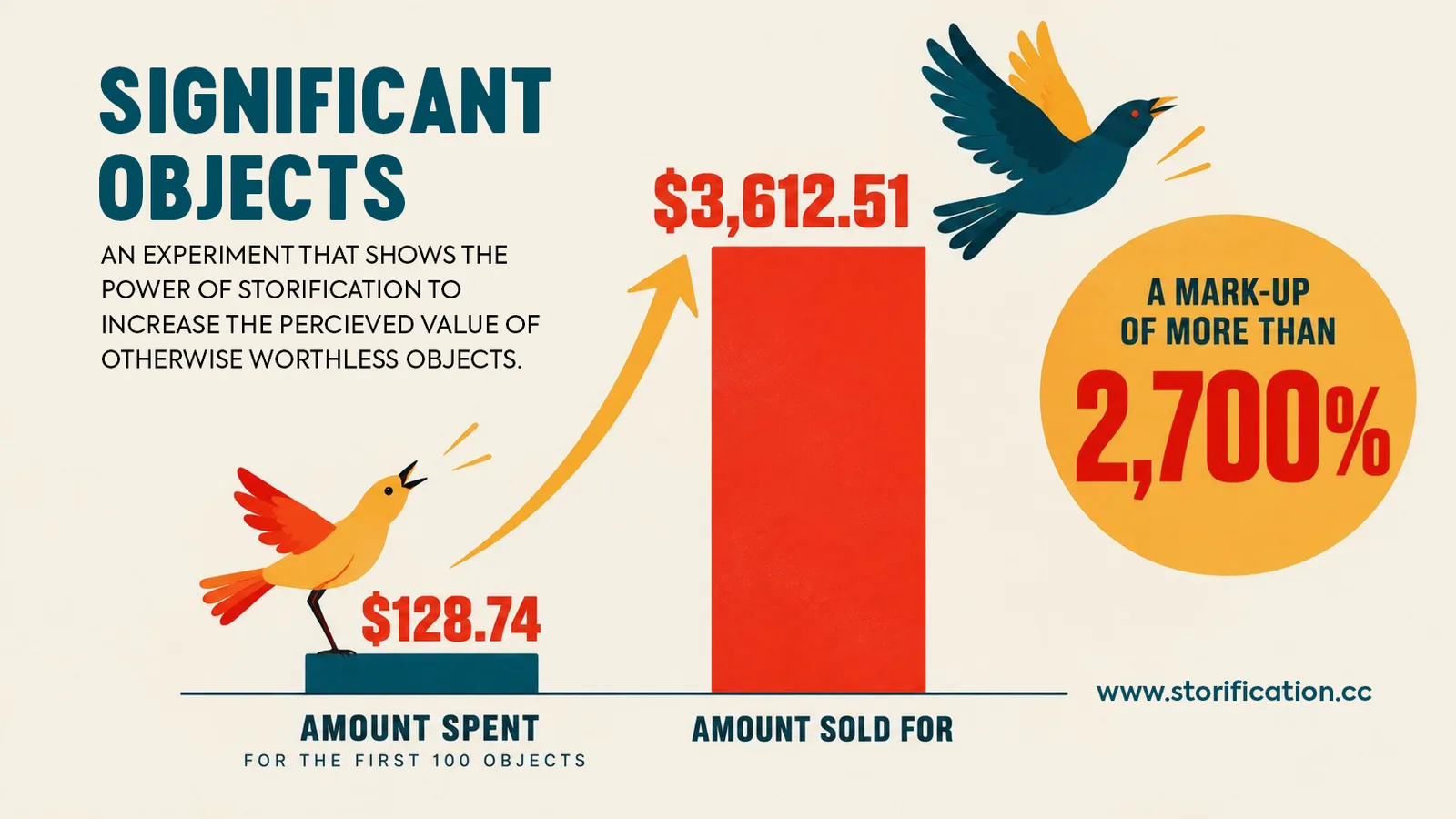
The objects didn't change. The story did. Or more specifically, the storification of the objects through a newsworthy story about the whole exercise, which gave people a way to participate in the narrative by purchasing one of the otherwise worthless objects.
Xero: customers as the cast
In 2009 Xero was crossing the Tasman from New Zealand into Australia, up against accounting software everyone already used. Their head of marketing and I tried something different. Instead of making ads about the product, we asked Xero's own customers to tell stories of their struggles in small business, and how using a cloud based accounting software helped them succeed.
Over about two years we made more than a dozen short films about small businesses, including St. ALi Coffee in Melbourne. They weren't about accounting software. They were about people building something, and Xero happened to be part of how they did it. That's Participation: the customers weren't an audience, they were the cast.
Mailchimp: personality in a dull category
Mailchimp sells email software, one of the least exciting categories there is. It became one of the most recognisable brands in marketing by refusing to sound like software, from its chimp mascot, Freddie, to irreverent and campaigns that played with its own name:
- FailChips: Featuring real bags of broken potato-chip crumbs distributed to people.
- JailBlimp: A birthday piñata that popped to reveal tiny men in prison stripes.
- MailShrimp: A surreal animated short film about an existential shrimp sandwich.
The lesson: brand storytelling isn't only for brands with dramatic origin stories. A consistent, distinctive voice gives people a story they can share, and return to.
B2B brand storytelling: does it work for business buyers?
Yes, and often better than in consumer markets, because B2B buyers are taking a personal risk. Choosing a supplier is a career decision. A brand story that shows who you are and what you believe makes that decision feel safer.
The research backs this up. In a study of around 3,000 B2B buyers, personal value (the professional, social and emotional benefits to the buyer) had twice the impact of business value. Buyers who saw personal value were far more likely to purchase: 71%, compared with 22.6% of those who didn't.
B2B brand stories work best when they lead with customers' businesses, not your software. Xero's films are a good model: the accounting product was never the subject. The subject was the small business owner, and the product earned trust by being part of their story.
How to make brand storytelling authentic
Authenticity isn't a tone of voice. It's whether the story is true and whether you behave as if you believe it.
- Use real material. Real founders, real customers, real moments. Invented personas read as invented.
- Admit the struggle. A story with no obstacle is a brochure. The difficulty is what makes people trust the outcome.
- Act on your Worldview. If you say you believe something, people will check. Patagonia's ad worked because its behaviour backed it up.
- Let customers speak. A customer telling their own story will always be more believable than you telling it for them.
How do you know if your brand story is working?
The new final chapter of Storification is about measuring this. Here are the signals I watch:
- People repeat your words back to you. Prospects use your phrases in sales calls. That's the clearest sign the story has landed.
- Customers explain you the way you'd want. Ask five customers to describe you to a friend. Compare their words to your story.
- More people search for you by name. Search Console will show you when that number grows.
- More business comes from referrals. Track "how did you hear about us?" on every enquiry.
- Story pages convert better than feature pages. Compare the enquiry rate of pages that lead with a story against pages that lead with features.
If none of these are moving after a few months, the story probably isn't specific enough, or it's being told inconsistently. Go back to the Origin.
Where to start
Start with one sentence. Finish this line: "I started my business because…" focusing on a key struggle you faced, or saw, or understood. The seed of your Origin and every other step of your brand story grows from it.
If you'd like a head start, the free Story Engine asks a few questions about your business and helps drafts your Origin, Worldview and Invitation in about five minutes. For the full framework and the case studies, read Storification.
Frequently asked questions
What is brand storytelling? Brand storytelling is building a brand around a true, specific story about why it exists, what it believes and how customers become part of it, rather than around products and features.
What is the difference between brand storytelling and storytelling in marketing? Storytelling in marketing is a technique used in individual campaigns. Brand storytelling is the single underlying story that every campaign should serve.
Why is brand storytelling important? Stories are remembered and retold far more than facts. A clear brand story builds trust, sets you apart from competitors who sound the same, and gives customers something to pass on.
What are good examples of brand storytelling? Patagonia's "Don't Buy This Jacket" ad, the Significant Objects experiment, and Xero's customer films are three strong examples, each showing a different part of how brand stories work.
How do you write a brand story? Work through five steps: your Origin (why you started), Worldview (what you believe), Invitation (how people join you), Participation (how customers become part of it) and Amplification (why they'd pass it on).
Does brand storytelling work for B2B companies? Yes. B2B buyers take a personal risk when they choose a supplier, and a clear brand story makes that choice feel safer. Lead with your customers' businesses, not your product.
Sources
- Patagonia, "Don't Buy This Jacket, Black Friday and the New York Times"
- Maria Popova, "Significant Objects", The Marginalian, 2012
- "Mailchimp co-founder: how he nearly killed the monkey", The Drum, 2019
- "B2B buyers rely heavily on personal value considerations" (Google, CEB and Motista research), MarketingCharts
- "Did You Mean MailChimp?", official Cannes Lions campaign archive
Jim Lounsbury is a filmmaker who has made films and brand stories in more than 20 countries. His work has been seen in cinemas and on the world's most viewed networks, including Apple TV, Prime Video, STAN, National Geographic, and more. He works with organisations and start-ups to find and tell their story. His book, Storification, is out 20 November 2026. Pre-order it here.